
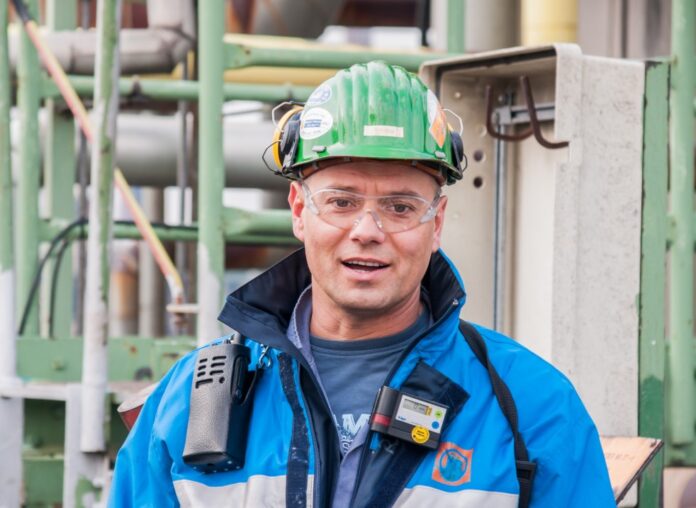
A construction hard hat is one of the most important pieces of safety equipment on any job site, protecting tradesmen from some of the most serious and potentially fatal workplace hazards. Construction environments are filled with risks such as falling objects, low-hanging structures, moving machinery, and electrical exposure. Head protection is not optional in these settings, it is a fundamental requirement for staying safe and compliant.
Why Head Injuries Are a Major Construction Risk
Construction sites are constantly changing. Materials are lifted overhead, tools are used at height, and multiple trades often work simultaneously in tight spaces. Even a small object dropped from above can cause severe head injuries if a worker is unprotected.
Head injuries can result in long-term disability or death, making prevention a top priority. A construction hard hat acts as a barrier between the worker and impact forces, significantly reducing the severity of injuries when accidents occur.
How a Construction Hard Hat Protects Workers
A hard hat is designed to absorb and disperse impact energy. The outer shell resists penetration, while the internal suspension system spreads the force of a blow across the helmet rather than concentrating it on one point.
This design also creates a small gap between the shell and the head, which helps reduce the force transferred during impact. In some cases, hard hats also provide protection against electrical hazards, depending on their classification.
View this post on Instagram
Common Trades That Require Hard Hats
Hard hats are required across a wide range of construction trades. General laborers, carpenters, steelworkers, electricians, plumbers, roofers, and concrete workers all face risks that make head protection essential.
Even site visitors, inspectors, and supervisors are often required to wear a construction hard hat, as hazards exist regardless of direct involvement in physical labor.
Types of Construction Hard Hats
Not all hard hats are the same. Different designs are suited to different types of work and environments. Traditional full-brim hard hats provide protection from sun, rain, and falling debris from all directions. Cap-style hard hats are lighter and more compact, offering protection primarily from above.
Some hard hats are designed for specific tasks, such as those with integrated face shields, earmuff attachments, or chin straps for working at height. Choosing the right type ensures maximum protection and comfort.
Electrical Protection and Hard Hat Ratings
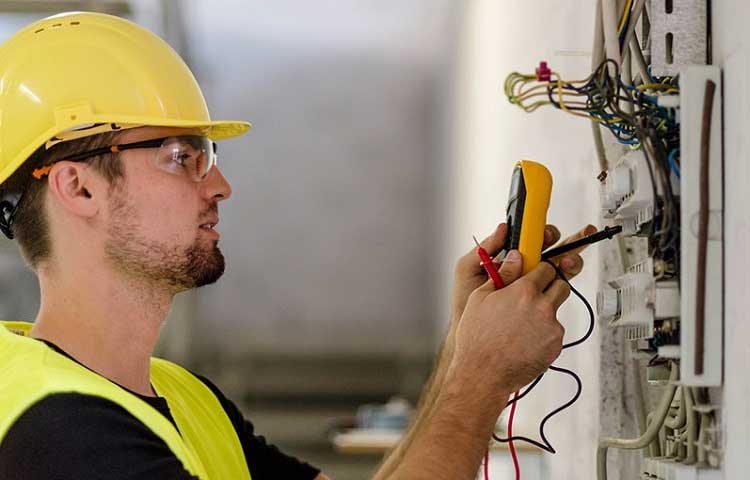
Certain construction tasks involve exposure to electrical hazards. Some hard hats are rated to protect against electrical shock, while others are not. Understanding these ratings is critical for electricians and tradesmen working near live systems.
Using the wrong type of hard hat in an electrical environment can be extremely dangerous. Tradesmen should always ensure their helmet meets site and job-specific safety requirements.
Comfort and Fit on Long Shifts
A construction hard hat must be worn for long periods, often in challenging conditions. Poor fit or discomfort can lead workers to remove their helmet, increasing risk.
Modern hard hats are designed with adjustable suspension systems, padded sweatbands, and ventilation options to improve comfort. A properly fitted hard hat should sit level on the head and remain secure during movement without causing pressure points.
Weather Considerations on Site
Construction work takes place in all weather conditions. Hard hats can help shield workers from sun exposure, rain, and cold wind. Full-brim designs offer additional shade, while vented models improve airflow in hot conditions.
In cold weather, accessories such as liners can be worn under compatible hard hats to maintain warmth without compromising safety.
Maintenance and Replacement
Hard hats must be inspected regularly for cracks, dents, or wear. Exposure to sunlight, chemicals, and extreme temperatures can degrade materials over time.
Even if no visible damage is present, hard hats should be replaced according to manufacturer guidelines or site safety policies. Using a compromised helmet reduces protection and increases risk.
Final Thoughts
A construction hard hat is a simple but essential piece of safety equipment that protects workers from serious injury. By choosing the right helmet, wearing it correctly, and maintaining it properly, tradesmen can significantly reduce the risks associated with construction work. Head protection is not just about compliance, it is about ensuring everyone goes home safely at the end of the day.