
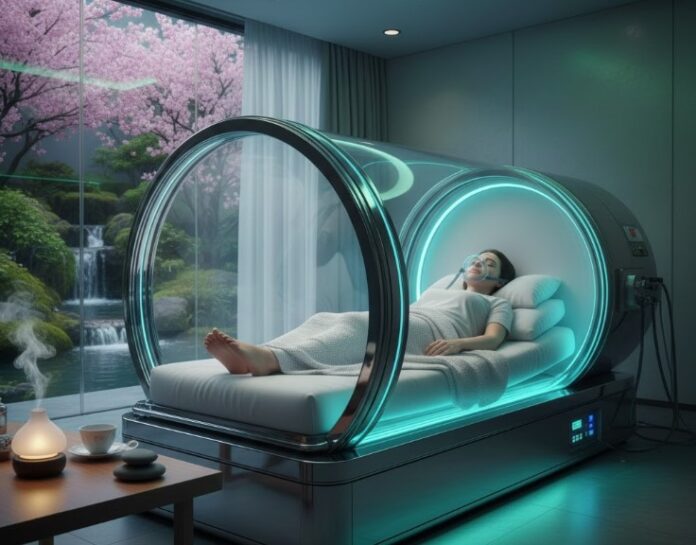
People usually search for this topic when exhaustion becomes part of their routine. Days feel heavier, sleep feels lighter, and stress builds faster than the body can process. Hyperbaric oxygen therapy, or HBOT, often enters the conversation as a potential way to support deeper rest and break that cycle.
While the therapy is traditionally used in medical settings for wound healing, an increasing number of individuals explore it for overall recovery.
This article brings a balanced look at how HBOT may influence sleep, stress levels, and the body’s ability to reset.
How HBOT Works For Sleep Regulation
Hyperbaric oxygen therapy increases the amount of oxygen dissolved in the bloodstream by placing a person inside a pressurized chamber where oxygen is delivered at higher-than-normal concentrations. When more oxygen reaches tissues, the body can repair and stabilize systems that become fragile under chronic stress.
Many people with inconsistent sleep describe HBOT sessions as deeply calming afterward, which may relate to improved oxygen delivery and reduced internal strain. The more efficient the cells become at producing energy and clearing metabolic byproducts, the easier it is for the body to settle into restorative rhythms. HBOT is not a cure for insomnia, but it may support the conditions needed for healthier and more predictable sleep cycles.
When stress accumulates, oxygen availability in certain tissues declines. HBOT temporarily reverses this limitation, which allows the nervous system to downshift more effectively and helps the body transition out of a state of constant alertness.
HBOT’s Role In Stress Recovery
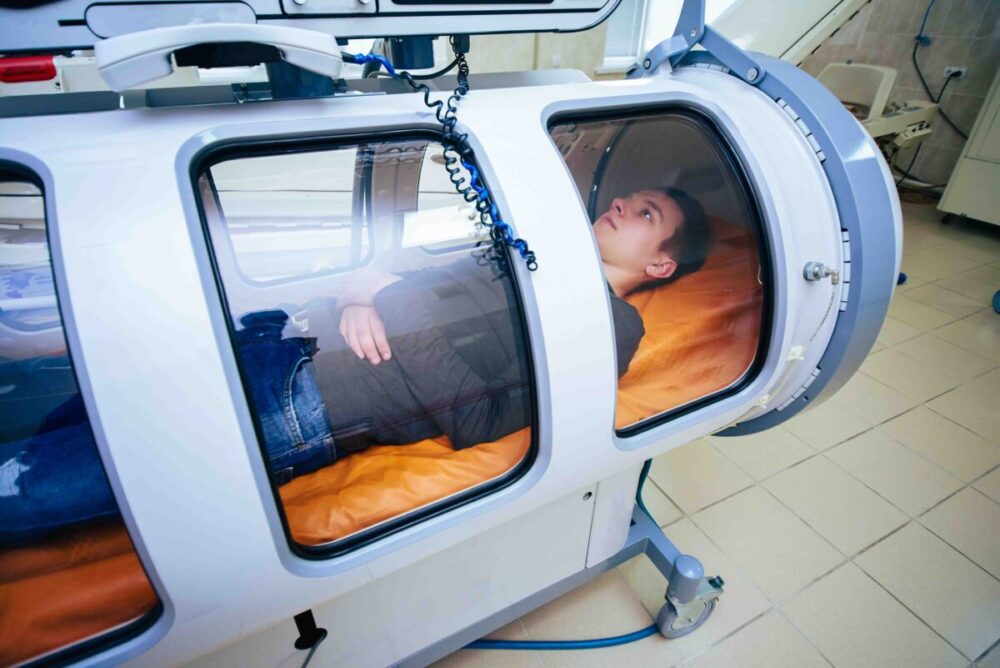
Some individuals respond strongly to HBOT because stress alters how the body uses energy, manages inflammation, and recovers from daily demands. When the system is strained for too long, sleep becomes lighter, muscles stay tense, and mental fatigue settles in. HBOT increases oxygen saturation in a way that supports cell repair, stabilizes inflammatory responses, and replenishes mitochondrial energy production. These effects naturally contribute to a more resilient stress response.
People who prefer structured wellness environments sometimes choose a Los Angeles hyperbaric chamber as part of a stress management routine offered through Oxynergy. The controlled oxygen exposure can complement relaxation habits, helping the body unwind after demanding stretches and restoring a steadier internal rhythm.
Key Stress Recovery Benefits
- More efficient cellular repair during and after stress
• Lower physical tension due to improved tissue oxygenation
• Gradual stabilization of mood and energy throughout the day
How HBOT Influences Sleep Architecture
Sleep has multiple stages, each responsible for a different kind of restoration. Stress disrupts this structure, particularly the deep stages where the body repairs tissues and replenishes energy. HBOT may support healthier sleep architecture by improving metabolic balance, supporting vascular health, and reducing inflammation that interferes with deeper rest. Although results vary, individuals often describe waking up more refreshed after several sessions.
A Small Table For Clarity
| HBOT Influence | Possible Sleep Effect | Why It Matters |
| Better oxygen delivery | Deeper rest | Cells perform repairs efficiently |
| Reduced inflammation | Fewer nighttime disturbances | Pain and tension interfere less |
| Nervous system support | Easier transition into sleep | Stress response becomes calmer |
These effects are not immediate, but when combined with consistent habits, they can make sleep more predictable and restorative.
HBOT And The Nervous System

The autonomic nervous system determines whether the body stays alert or slips into a restful state. When stress dominates, the alert mode becomes too active, leading to shallow rest and tension that carries into the next day. HBOT may help the body rebalance this system by reducing internal stress signals and improving oxygen availability in areas responsible for calmness and regulation. This internal shift can make evenings feel less overwhelming and mornings feel more grounded.
Stress-compromised tissue often receives less oxygen. Supporting oxygen flow can help settle the nervous system and reduce the body’s reactive state.
Most people who benefit from HBOT describe improvements not only in sleep but also in overall recovery, emotional steadiness, and the ability to handle daily pressure without reaching the same level of fatigue.
Who Typically Benefits From HBOT For Sleep And Stress
HBOT is not meant for everyone, but certain groups may find it particularly supportive. It tends to help those whose sleep issues are tied to chronic stress, inflammation, fatigue, or physical recovery demands.
Groups That May Respond Well
- Individuals dealing with burnout or long-term tension
• People with shallow or fragmented sleep patterns
• Athletes or active individuals needing recovery support
• Those looking for a structured wellness setting to reset habits
Interesting Fact
Did you know that deep sleep depends heavily on efficient cell repair and stable metabolic balance? When oxygen availability improves, these restorative processes tend to work more effectively, which is why some users notice better sleep after HBOT.
These improvements usually happen gradually, not overnight, but they can build into meaningful long-term changes.
Integrating HBOT Into A Recovery Routine
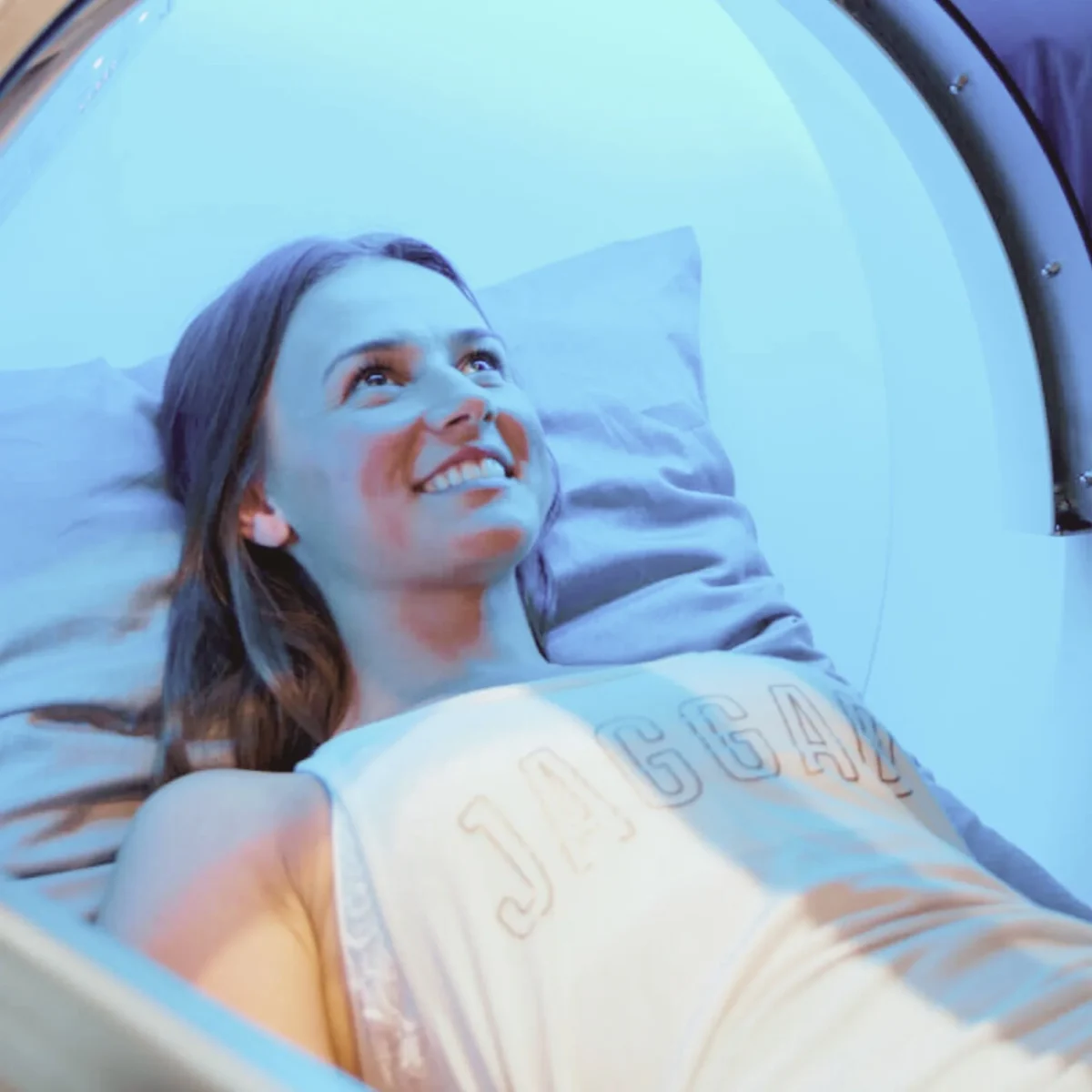
Hyperbaric oxygen sessions work best when paired with habits that support rest and reduce stress strain. HBOT may provide the physiological foundation for recovery, but sustainable improvement comes from combining it with routines that align with how the body naturally restores itself.
Helpful Additions To Pair With HBOT
- Regular sleep schedules and consistent evening routines
• Balanced nutrition that minimizes inflammation
• Light movement or stretching to release tension
• Reduced stimulant use late in the day
• Mindfulness habits that ease the transition into rest
After completing several sessions, many people find it easier to maintain a calmer state during the day, which then feeds into more stable sleep patterns at night. HBOT becomes most effective when it reinforces a lifestyle that reduces stress rather than compensates for it.
Small improvements in tissue oxygenation can influence how the brain regulates transitions between alertness and rest. While HBOT is not a direct sleep therapy, this enhanced oxygen support often helps people feel more balanced, less tense, and more capable of unwinding at the end of the day. These effects illustrate why some individuals include HBOT during especially demanding periods of life when sleep struggles and stress overload go hand in hand.
Final Thoughts
Hyperbaric oxygen therapy offers a structured, physiological way to support sleep quality and stress recovery, particularly for those who feel drained or locked in cycles of restlessness.
By improving oxygen availability, supporting cell function, and helping the nervous system settle, HBOT may create conditions that make deeper rest more accessible. It is not a cure or a shortcut, but it can be a valuable piece of a broader recovery approach that prioritizes balance, consistency, and long-term well-being.
If incorporated thoughtfully, HBOT can help the body regain rhythm and resilience in times when stress feels overwhelming.