You arrive in Munich thinking it will be about beer halls, tidy streets, and maybe a museum or two. And it is. But then, almost without trying, the city nudges you outward. A train here, a slightly early morning there, and suddenly the trip feels bigger than you planned. That is the quiet trick of Munich. It sits in the middle of places that feel completely different from one another.
The best Munich day trips are not just scenic add-ons. They reset your mood, shift your perspective, and make the city itself feel richer when you return. You leave expecting a pleasant excursion. You come back feeling like you slipped into another version of the same trip.
A Quick Comparison of Day Trips From Munich
Sometimes it helps to see how these places differ before choosing where to go.
| Destination | Travel Time | Experience Type | Emotional Impact |
| Neuschwanstein | ~2 hours | Scenic, iconic | Wonder and surprise |
| Salzburg | ~2 hours | Cultural, relaxed | Light and reflective |
| Dachau | ~1 hour | Historical, serious | Heavy and meaningful |
| Berchtesgaden | 2 to 3 hours | Nature, alpine | Expansive and calm |
Each one offers something distinct. Together, they form a kind of emotional map around Munich.
Why Munich Is the Perfect Base for Day Trips
There is something almost unfair about how easy it is to leave Munich. Within a couple of hours, sometimes less, you can find yourself in the Alps, crossing into Austria, or standing in a place that quietly holds some of Europe’s heaviest history.
The city works like a hub without making a fuss about it. Trains run on time, distances feel manageable, and everything seems arranged to encourage you to wander just a bit farther than you intended.
And occasionally, that wandering takes unexpected turns. You might plan your day around castles or mountains, and somehow end up following a completely different kind of curiosity.
Even stumbling across Louisa Escort while planning logistics and needing companion can pull you into a different layer of the city’s modern life, reminding you that Munich is not just historic. It is very much alive and evolving.
Neuschwanstein Castle and the Art of Expectation
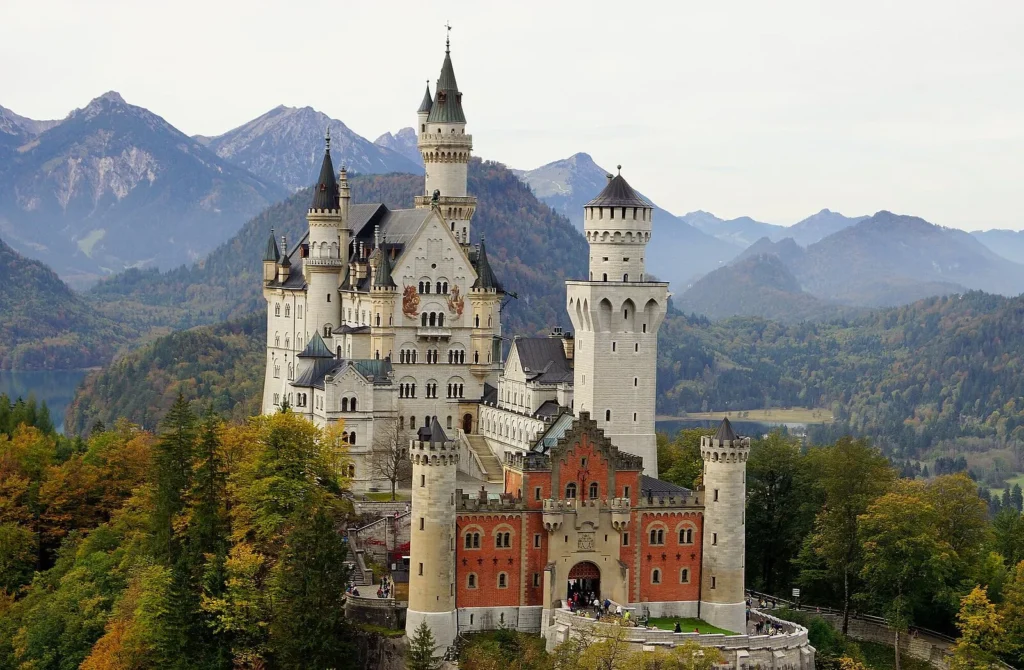
You think you know what this place will be like. Everyone does. A castle on a hill, something pulled straight out of a childhood storybook. And yes, it is all of that. But what changes you is not the castle itself.
It is the approach.
The train ride stretches just long enough to build anticipation. The bus winds slowly upward. And then, suddenly, there it is, improbably perched, almost theatrical. Around 1.5 million people come here every year, which sounds like a warning, but oddly does not ruin it.
What shifts your perspective is realizing how much of travel is expectation. You arrive prepared to be underwhelmed by the hype. Instead, you find yourself standing quietly, thinking it might actually deserve it.
Salzburg Feels Like Crossing Into Another Story
Crossing into Austria takes less effort than deciding what to eat for lunch. One train, a comfortable seat, and suddenly Munich feels like yesterday.
Salzburg has that rare quality of feeling complete. The old town sits neatly beneath the fortress, the streets seem arranged for wandering rather than efficiency, and music feels less like entertainment and more like a background condition of the place.
You notice small things here. The way the light reflects off pale buildings. The quiet confidence of a city that does not need to prove anything. By the time you head back to Munich, you realize the day did not just add another destination. It added contrast. And that contrast makes Munich feel sharper, more grounded, more real.
Dachau and the Weight You Carry Back
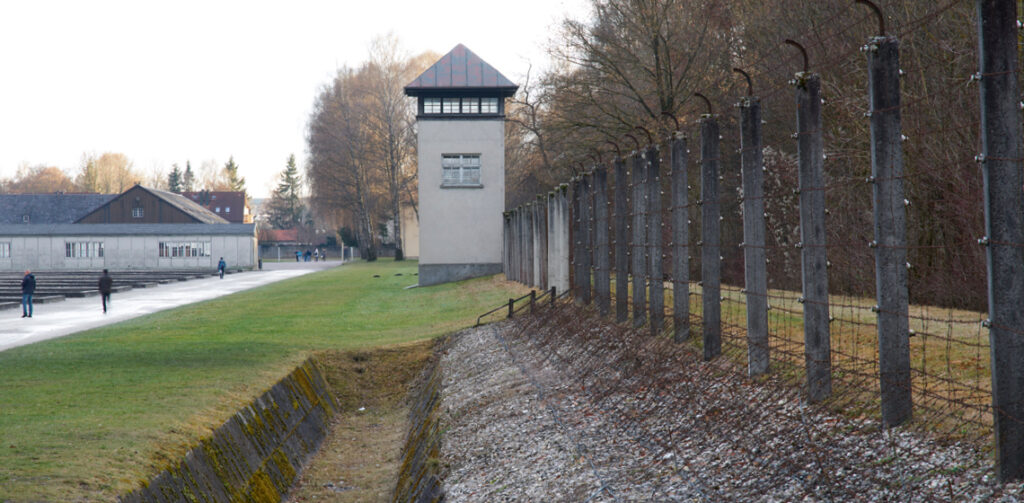
Some trips do not feel like trips at all. Dachau is one of them.
It is close. Almost too close. About 30 minutes by car or around an hour by train, which somehow makes it more unsettling.
Dachau was the first Nazi concentration camp, opened shortly after 1933 and preserved today as a memorial site.
There is no spectacle here, and that is the point. The space is quiet, structured, almost restrained. You walk through it slowly, not because you have to, but because it feels wrong to rush.
When you return to Munich afterward, the city looks different. Not darker, exactly, but more layered. You notice things you would have ignored before. History stops being abstract. It becomes something that lingers.
Berchtesgaden and the Pull of the Alps
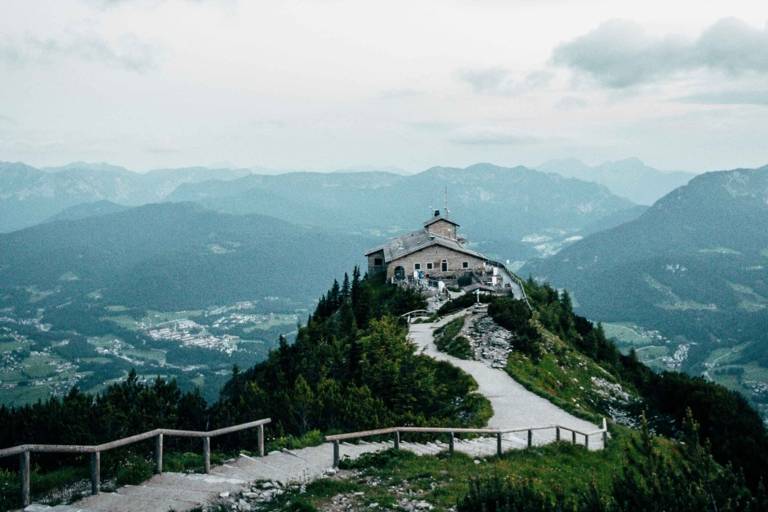
At some point, you start to crave space. Not another building, not another street, just distance and air. That is where Berchtesgaden comes in.
The journey takes a bit longer, but it feels like a gradual release. The scenery shifts from urban edges to open countryside, and then suddenly the Alps appear, not dramatically, but steadily, as if they have been waiting.
This is where Munich’s day trips stop feeling like excursions and start feeling like escapes. You stand by a lake or on a high viewpoint and realize how compact your original itinerary was. The world expands a little.
What These Day Trips Actually Change
At first, it seems like you are just collecting places. Another castle, another city, another landscape. But somewhere along the way, something shifts.
You stop rushing.
You start noticing how different two places can feel within the same region. Munich becomes less of a destination and more of a starting point, a place you return to with slightly different eyes each time.
And that is the quiet value of these Munich day trips. They do not just fill your itinerary. They stretch it. They make the trip feel less like a checklist and more like a series of small, connected discoveries.
Also read: Places in Germany for Solo Travel
By the time you leave Munich for good, you realize the city itself was only part of the story. The rest was everything just beyond it.