
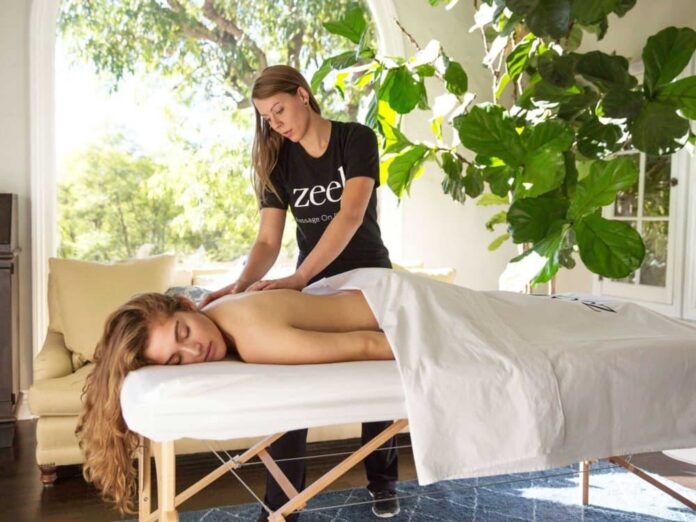
Relaxation used to be something people planned. You booked a slot, drove somewhere, and treated it as an occasional reset. That model still exists, but something quieter has been shifting. People now expect relaxation to fit into their schedule, not the other way around.
On-demand massage services reflect that change. They are not just a convenience upgrade. They are reshaping how people think about stress, recovery, and even time itself. When access becomes easier, behavior changes. And that is exactly what is happening here.
Convenience Is Redefining Relaxation
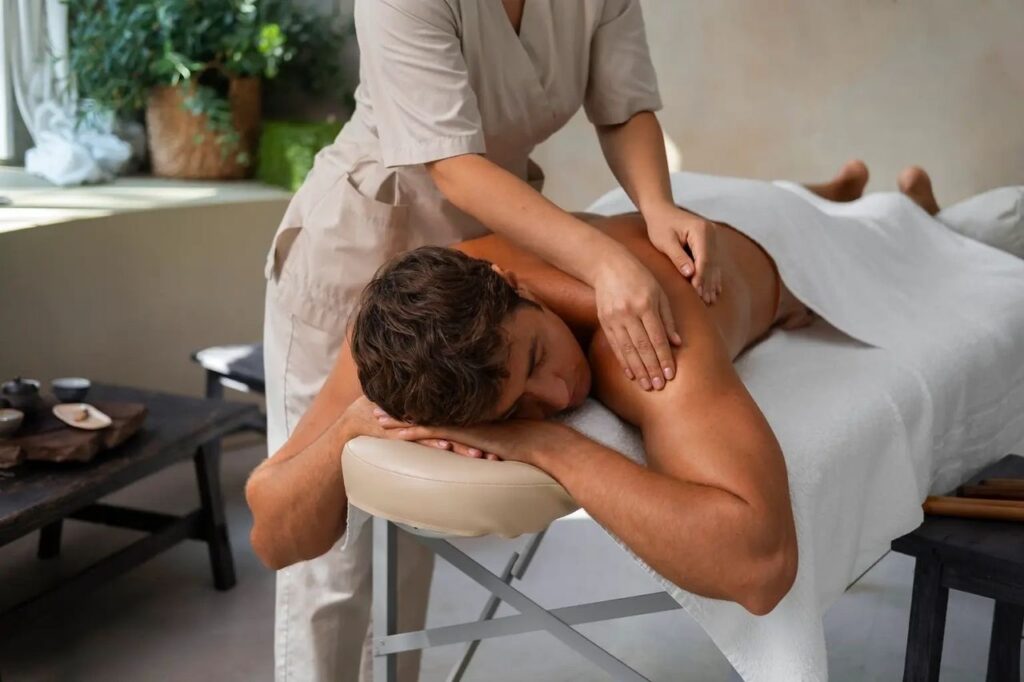
There is a simple pattern worth noticing. When something becomes easier to access, people do it more often. That applies to food delivery, streaming, and now wellness services.
Massage has always been associated with stress relief and better sleep. Research shows it can reduce stress, improve mood, and support recovery by calming the nervous system. But the barrier was always an effort. Booking, travel, and time commitment made it occasional.
Now remove those steps.
Instead of planning a full outing, someone can schedule a session at home after work. That shift changes frequency. Relaxation stops being rare and starts becoming part of a weekly routine. Over time, that consistency matters more than intensity.
The Rise of At-Home Services
There is also a practical layer to this. People are working longer hours, often from home, and the line between work and rest is less clear.
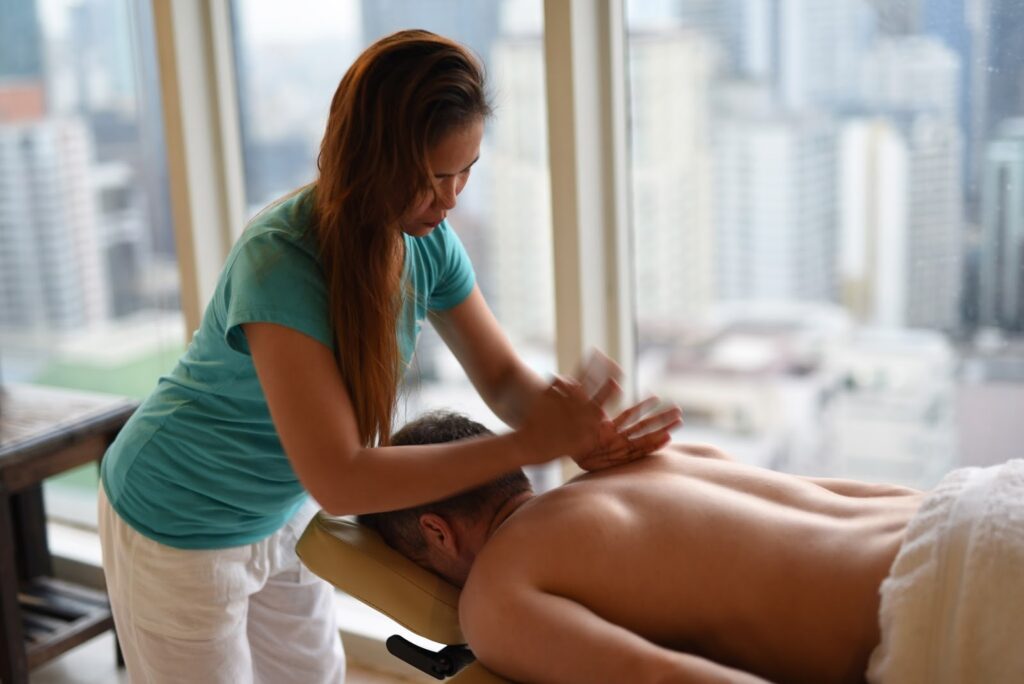
Outcall 출장안마 (business trip massage) brings the session directly to the user’s space, removing the need to transition.
Instead of commuting, waiting, and adjusting to a new setting, the person stays in a familiar environment. That reduces friction, which makes it easier to actually follow through with self-care.
What Actually Changes in People’s Behavior
When access improves, behavior shifts in predictable ways. The change is not dramatic. It shows up in small, repeated decisions.
People start to:
- Choose shorter, more frequent sessions instead of occasional long ones
- Use massage as a regular stress management tool, not a reward
- Integrate relaxation into weekdays instead of saving it for weekends
This aligns with what research already suggests. Even short sessions can reduce stress and improve relaxation by activating the body’s recovery systems.
Consistency in relaxation practices often has a stronger long-term effect than occasional intensive sessions.
That idea becomes more realistic when the service fits into daily life without extra effort.
The Shift From Luxury to Routine
Massage used to sit in the category of “treat yourself.” That framing is slowly changing.
As demand grows, it is increasingly seen as part of general wellness. Industry data shows rising demand for massage services as people look for natural ways to manage stress and maintain health .
This shift matters because it changes how people justify spending time and money. Instead of waiting until stress builds up, they act earlier.
A simple comparison
| Old approach | New approach |
| Planned in advance | Booked on short notice |
| Seen as occasional | Treated as routine |
| Requires travel | Happens at home |
| Longer sessions | Flexible session lengths |
The difference is not just logistical. It reflects a different mindset about what relaxation is supposed to do.
Why the Environment Plays a Bigger Role Than Expected
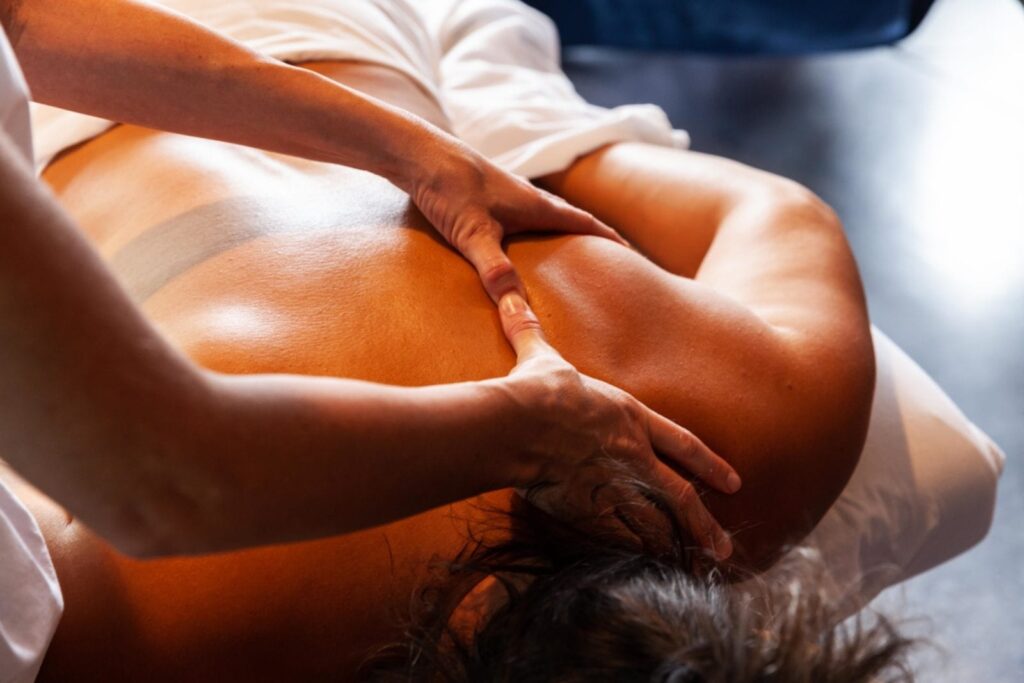
One detail people often overlook is how much the environment affects relaxation.
In a traditional setting, you relax in a controlled space that is designed for calm. At home, the environment is personal. That can work both ways, but for many people, it speeds up the process.
You are already familiar with the space. There is no adjustment period. That matters because relaxation is partly about how quickly the body feels safe and settled.
Massage helps trigger that state by lowering stress hormones and supporting a calmer nervous system. When combined with a familiar environment, the effect can feel more immediate.
A More Flexible Way to Manage Stress
The broader change here is flexibility. People no longer need to block out large chunks of time to recover from stress.
They can respond to it in smaller, more manageable ways. A session after a long meeting. A quick reset before sleep. A regular weekly appointment that does not disrupt the rest of the day.
This fits better with how people actually live now. Schedules are fragmented, and attention is constantly divided. Relaxation that adapts to that reality is more likely to stick.
Closing Thought
What is happening with on demand massage services is not just about convenience. It is about removing small barriers that used to make relaxation harder than it needed to be.
Once those barriers are gone, behavior adjusts. People engage more often, with less effort, and with a clearer sense of purpose.
Over time, that changes the role relaxation plays in everyday life. It becomes less of an escape and more of a regular habit.