
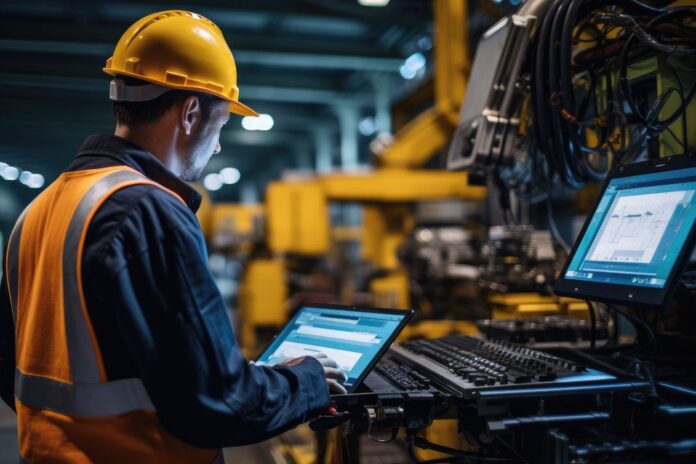
The factory is always active. Machines shape metal, robots weld, and conveyors move parts. But look closer. Half of this equipment came from the Reagan era. The other half arrived last year. Combining the old with the new? That’s where things get interesting.
The Gap Between Old and New
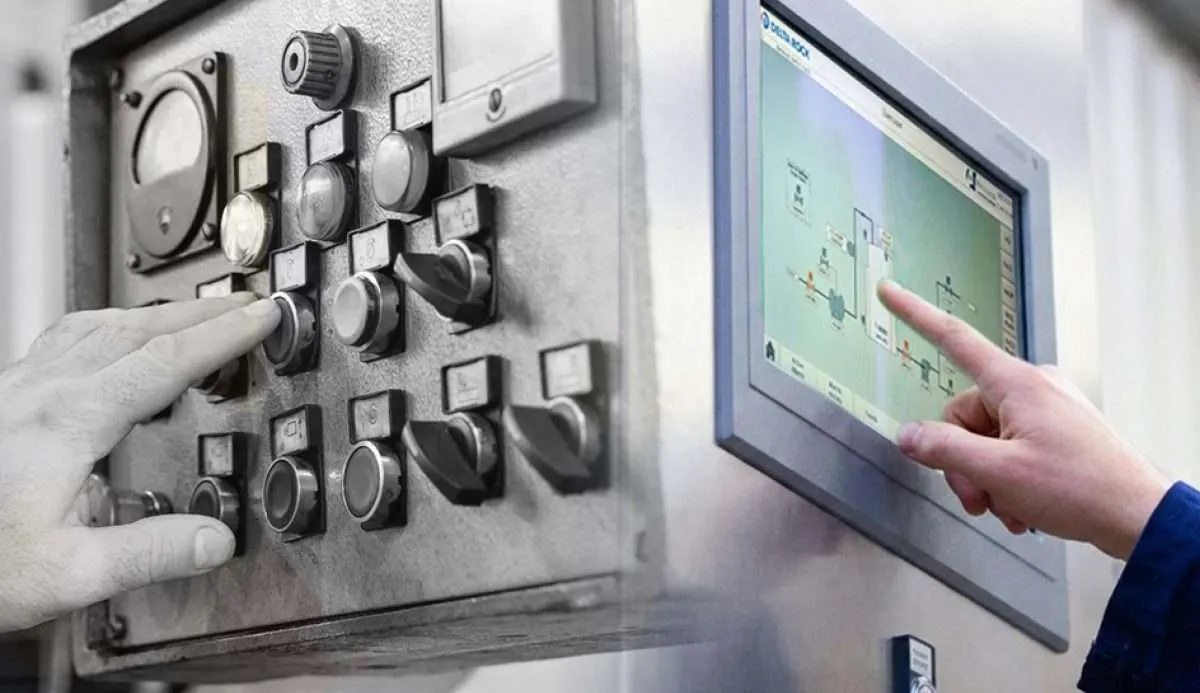
Walk through any manufacturing plant. You’ll spot the disconnect immediately. That stamping press, manufactured in 1985, still works well. It just can’t communicate with anything else. No data output. No network connection. Nothing but the rhythmic thud that experienced operators learn to interpret.
The new packaging robot produces gigabytes of data daily. It’s a lot of data to process when tracking temperature, cycles, torque, and servo positions. The robot speaks digitally; the old press speaks mechanically. It’s as if they come from different worlds.
Operators walk the floor with clipboards. They perform oil level checks, listen for weird sounds, and feel for unusual vibrations. Damage occurs before humans detect trouble. Production suffers. Costs climb. The new equipment tries to help. It sends alerts about maintenance needs and adjusts parameters based on material variations. It compensates for wear automatically. But what’s the point if no one else understands? Smart machines surrounded by dumb infrastructure waste their potential.
Breaking Down Data Silos

Here’s what happens in most plants. Maintenance keeps records in ancient spreadsheets. Quality control uses some software from 2015. Production planning happens on a whiteboard. The ERP system from corporate doesn’t talk to any of them. Actual problems hide in those gaps.
The bearing in machine twelve is wearing out. First, vibration increases slightly, but maintenance won’t check it for another month. Quality control sees more rejections from that line, but they blame operator error. The production manager notices slower output and yells at the floor supervisor. Three departments have pieces of the puzzle. Nobody sees the picture.
Edge computing for industrial automation fixes this mess without ripping everything out and starting over. Blues IoT makes systems that give old machines new tricks. Stick a sensor on that 1985 press. Now it reports vibration, temperature, and cycle counts. Incorporate a gateway device for translating ancient protocols to modern networks. A universal language connects everything.

Preparing for Tomorrow’s Demands
Customers got spoiled. They wanted their custom orders yesterday. Perfect quality goes without saying. Full tracking from raw materials to delivery? Table stakes. Try meeting those demands with equipment designed for making ten thousand identical widgets. Mass production is dying. Customization rules now.
Today’s batch might be fifty units. Tomorrow’s could be five hundred completely different ones. Retooling between runs eats profits. Smart systems switch recipes instantly. Dumb ones need hours of manual adjustment.
Remember when that cargo ship blocked the Suez Canal? Or when chips disappeared for a year? Supply chains break. Smart factories route around damage. They find substitute materials, re-juggle schedules and keep producing while competitors shut down.
Don’t forget the green push either. Governments demand emission reports. Customers want carbon-neutral products. Investors dump polluters. Old equipment can’t track energy use precisely enough. New sensors fill those blind spots. They measure everything from compressed air leaks to motor efficiency drops.
Conclusion
Factories face a choice. Modernize or fall behind. But modernization doesn’t mean junking everything and starting fresh. Smart upgrades bring old iron into the digital world. Sensors add eyes and ears to blind equipment. Edge computing provides local intelligence without cloud dependence. The transformation happens gradually, spreading from critical bottlenecks to the entire operation. Manufacturers who start now get ahead of the curve. Those waiting for the perfect moment will find it has already passed.