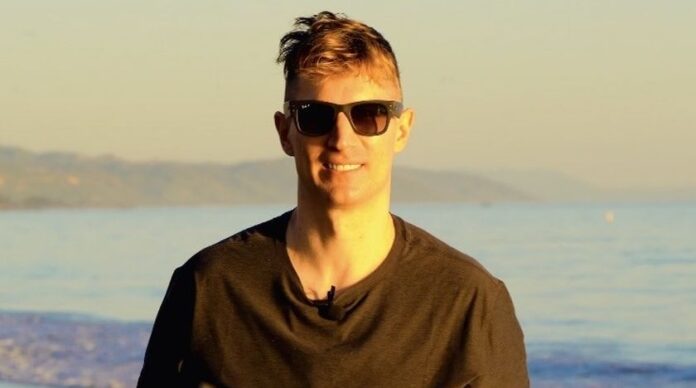
Ben Courson is a philosopher, speaker, author, and mental health advocate who often talks about rest, recovery, and sustainable living. He focuses on how people can avoid inner depletion while still pursuing meaningful goals. His work highlights the importance of balance after achievement. That makes him a strong voice on the idea of “active anapauo,” a form of rest that restores both mind and spirit.
What Is Active Anapauo?
The word anapauo comes from Greek. It means to rest, refresh, or recover. Not passive rest. Not doing nothing. It means a kind of rest that restores strength.
Active anapauo is not collapse. It is intentional recovery. It happens after effort. It prepares you for what comes next.
Many people chase goals. Few plan what happens after. That gap creates burnout.
Ben Courson encourages us by saying “After we complete our task, there is such a thing as active anapauo. The ultimate reflection.”
People often finish a big project and jump straight into the next one. No pause. No reset. They feel drained even though there was great accomplishment.
That pattern is common. It needs to change.
The Problem After Achievement
The Empty Feeling
You reach a goal. You expect relief. You expect joy.
Instead, you feel flat.
This happens because the brain was focused on the chase. Once the goal is reached, the stimulus drops.
Studies show dopamine spikes during pursuit, not just reward. That means motivation drops after success.
The Immediate Next Goal Trap
Many people respond by setting another goal right away. No pause. No reflection.
This creates a loop:
- Work hard
- Achieve
- Feel empty
- Repeat
Ben Courson described the best way to avoid this: ““I believe that after the toil is finished, that is the time to pause, that is the time to rest, that is the time for refreshment.”
Why Rest After Success Matters

Mental Recovery
The brain needs time to process effort. Without rest, fatigue builds.
The World Health Organization links chronic stress to burnout. Burnout reduces productivity and increases anxiety.
Emotional Integration
Rest allows you to feel the result of your work. It helps you connect with meaning.
Without this step, success feels shallow.
Sustained Performance
Athletes use recovery periods. Without them, performance drops.
The same applies to mental work.
What Active Rest Looks Like

Not Passive, Not Lazy
Active rest is not scrolling endlessly. It is not numbing out.
It is intentional. It restores energy.
Examples of Active Anapauo
- Walking outside
- Quiet reflection
- Light creative work
- Time with close friends
- Prayer or meditation
These activities engage the mind without draining it.
Ways to practice Active Anapauo after a long stretch of work is to start taking short hikes. Put down the phone. Just start walking. This can bring more clarity than pushing harder.
The Science Behind Recovery
Cognitive Reset

The brain uses different networks during rest. The default mode network activates. This supports creativity and insight.
That is why ideas often come during rest, not effort.
Stress Reduction
Active rest lowers cortisol levels. Lower cortisol improves mood and sleep.
Memory Consolidation
Rest helps the brain store what you learned. Without it, lessons fade.
Studies show that short breaks improve retention and problem-solving ability.
How to Practice Active Anapauo
Step 1: Plan Your Recovery
Do not wait until you feel exhausted. Schedule rest after major efforts.
Treat it as part of the process.
Step 2: Create Clear Boundaries
After completing a goal, step away from work for a set period.
Even one day can help.
Step 3: Choose Rest That Restores
Pick activities that give energy, not drain it.
Ask:
- Does this calm my mind?
- Does this restore focus?
Step 4: Reflect on the Win
Take time to process what you achieved.
Write down:
- What worked
- What you learned
- What mattered
This builds awareness.
Avoiding Common Mistakes
Skipping the Pause
Many people skip rest because they feel pressure to keep going. This leads to burnout.
Confusing Distraction with Rest
Distraction does not equal recovery. Passive consumption often leaves you more tired.
Overplanning Rest
Rest should be simple. Do not turn it into another task list.
Building a Sustainable Rhythm
Work and Rest as a Cycle
Think in cycles, not sprints.
- Effort
- Completion
- Recovery
- Next effort
This creates sustainability.
Short and Long Recovery
Use both:
- Daily short breaks
- Longer rest after major goals
Both matter.
Consistency Over Intensity
Regular small rest periods are more effective than rare long ones.
A Simple Active Rest System
After Each Goal
Take one day to step away. Reflect. Reset.
Weekly Reset
Pick one day each week for low activity. Focus on restoration.
Daily Micro Breaks
Take 5–10 minute breaks every few hours. Step away. Reset your mind.
Why This Changes Everything
Active rest protects your energy. It improves clarity. It prevents burnout.
It also improves how you experience success.
Instead of rushing past achievements, you absorb them. You learn from them. You grow.
Ben Courson summed it up clearly: “Continue to grow by taking time to reflect. Incorporate active rest and reflection.”
Rest Is Part of the Goal

Goals matter. Progress matters.
But without rest, both lose meaning.
Active anapauo gives your mind space to recover. It turns effort into growth.
Choose to pause. Choose to reflect. Choose to restore.
That is how you sustain success without losing yourself.