
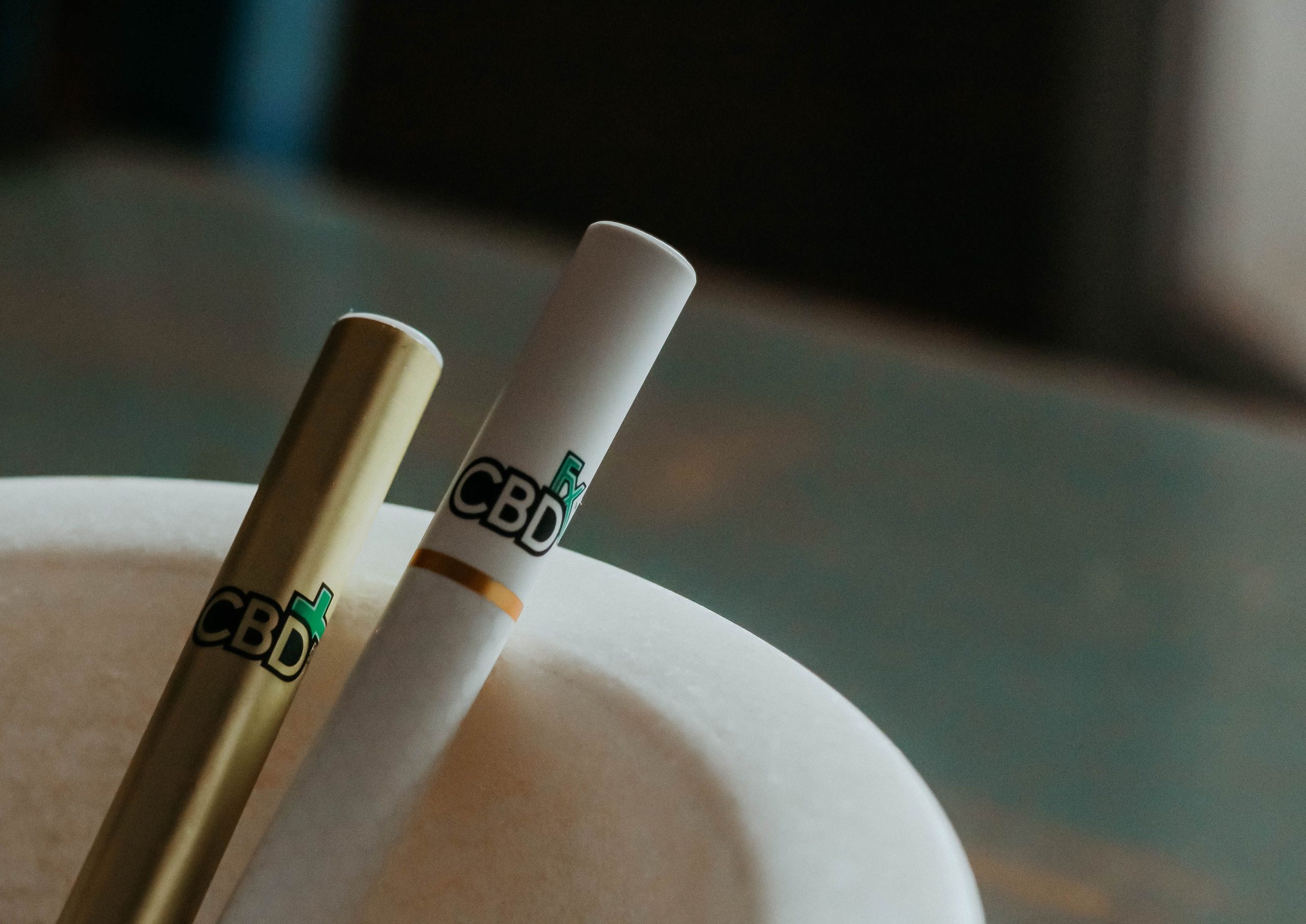
A hardware spec sheet is a list of intentions. It tells you the coil’s resistance, the tank’s material, the thread type. It does not tell you how that cartridge behaves on the ninety-eighth draw, whether the seal survives a week in a delivery van in July, or what the oil looks like after a state lab has tested the finished product. That knowledge lives in the manufacturer’s process – and process is what you are actually choosing when you pick a vape hardware manufacturer.
When hardware fails, it fails in public. Cartridges that leak, clog in the last third of the tank, or creep past a state’s heavy-metal action limit do not just cost you a replacement unit. They cost you dispensary placements and the repeat purchase that the whole category runs on. This is a growing market with rising stakes: Fortune Business Insights put the global cannabis vaporizer market at about $6.8 billion in 2025, with a projected CAGR of roughly 14.6% through 2034. Most of that growth is being built on hardware that faces scrutiny it never faced a decade ago.

Start with your oil, not the catalog
Brands tend to shop hardware the way they shop for a pen: format first, price second. That ordering is backwards. The most predictive question about a hardware partner is whether they ask about your oil before they quote a price – because every device is really an oil-delivery system, and oils behave very differently inside one.
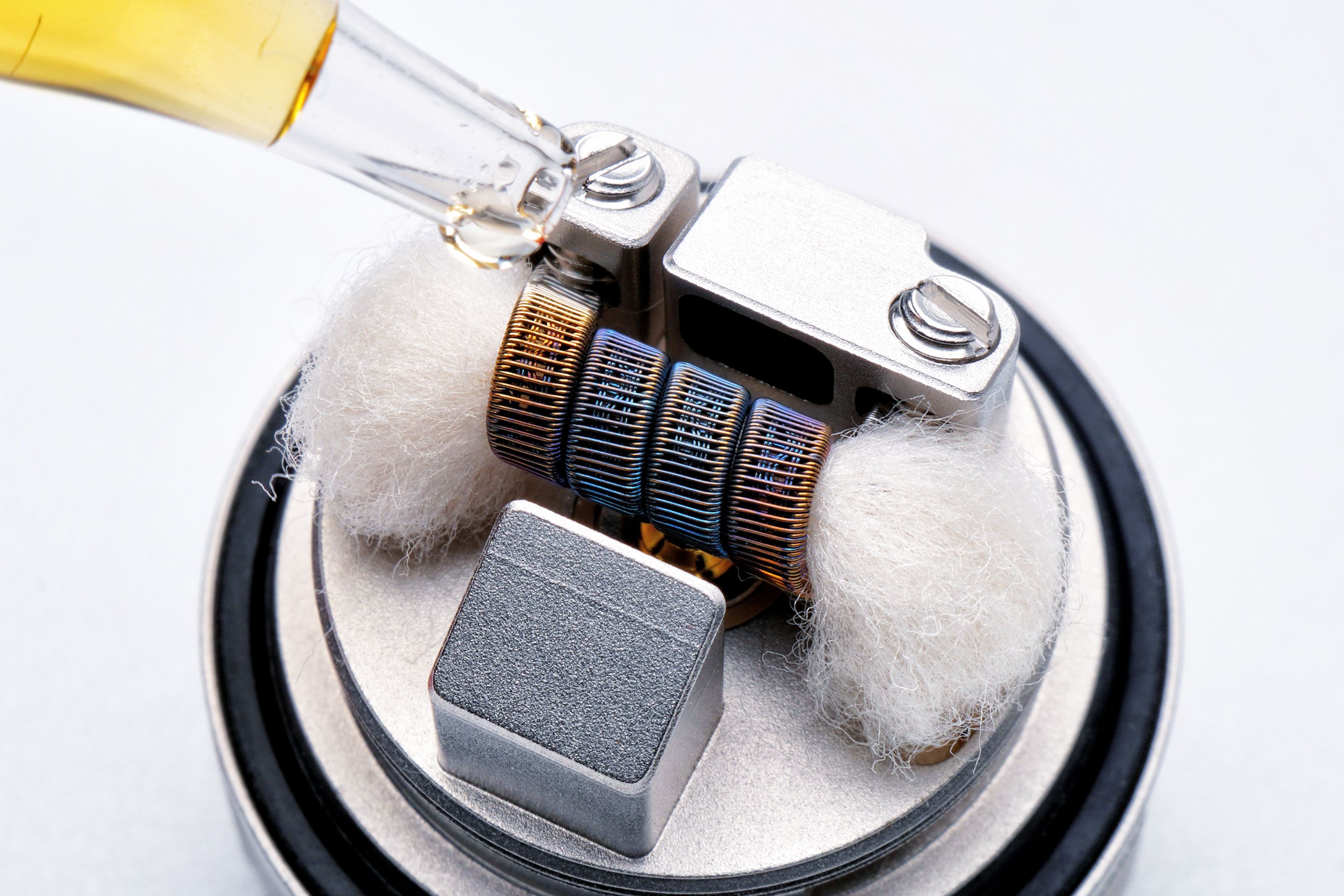
Distillate is one fluid at body temperature. A high-terpene live resin is another. Live rosin, with its waxy, high-viscosity profile, is almost a different category of physics. The cartridge’s intake aperture, the pore structure of the ceramic core, and the coil resistance all have to be matched to what you are actually pouring in. A manufacturer that can talk concretely about ceramic pore-size distribution, saturation and wicking behavior, and its coil’s heat-up curve is a manufacturer that controls its own atomizer. A rep who moves straight to unit pricing without one question about viscosity is reselling a catalog, and your oil will meet that catalog eventually – usually in the form of chargebacks.
My read: “Which oil are we validating against?” is the single best opening question you can ask a supplier. The follow-up matters just as much. Send a small sample of your real production oil and ask the manufacturer to run it through the proposed device and report back on consumption rate, leak behavior after 72 hours of inversion, and flavor across a long draw sequence. Reputable manufacturers do this routinely and will happily walk you through the results. Suppliers that wave it off are telling you they sell boxes, not performance.
Ask for the failure rate – then ask how it is measured
Most cannabis brands cannot tell you their field return rate, and most suppliers would rather you didn’t ask for theirs. The reliable public benchmarks come from industry QC vendors who aggregate data across brand programs. Finished Goods’ 2026 reliability benchmark puts typical field return rates in these ranges by hardware class:
| Hardware type | Typical field return rate |
|---|---|
| Premium ceramic-core 510 cartridge | 0.3% – 1.0% |
| Mid-tier ceramic-wick 510 cartridge | 0.8% – 2.5% |
| Cotton-wick 510 cartridge | 2.0% – 5.0% |
| Premium all-in-one disposable | 0.5% – 1.5% |
| Mid-tier all-in-one disposable | 2.0% – 4.0% |
| Commodity 510 battery | 2.5% – 6.0% |
Ranges are Finished Goods’ aggregation of mid-tier and premium brand data published May 2026; treat them as directional, not audited. No independent body publishes verified cross-brand return data, which is itself worth sitting with for a moment.
Read that table the way a product person would. A 3–5% return rate is common enough to be treated as normal, and a supplier with real process control can operate under 1% on the same format. That spread is not luck. It is the difference between a manufacturer that measures quality and one that claims it.
So ask two questions, in order. First: “What was your field return rate over the last twelve months, and how do you track it?” Second: “What is your AQL standard?” The useful answers reference an actual sampling plan – the ANSI/ASQ Z1.4 standard is the one buyers should expect by name – with zero-acceptance sampling on critical defects (short circuits, leakers, failed child-resistant mechanisms) and a tight tolerance on majors. A supplier that quotes a loose AQL on critical defects is telling you they will ship unsafe units. And here is the tell within the tell: I trust a supplier who says “1.2%, here are six months of lot data” more than one who says “effectively zero.” One of those is a measurement. The other is a hope.
The test that matters happens after the oil is in the cartridge
Here is where hardware diligence usually breaks down, because the cleanest cartridge in the world can still fail the only test that counts – and that test is run on the finished, filled product, not on a barrel of concentrate.
Missouri regulators made this concrete in June 2026, when they recalled hundreds of vape pens from Kansas City’s Local Cannabis Co. because the products had been tested as bulk THC concentrate, before they were loaded into cartridges. State rules have required finished-form testing since the recreational program began, and the reason is leaching. As Ross Bearman, director of lab operations at Fleur de Lis Analytical Laboratories, put it: testing the final cartridge “ensures that there’s no ‘leaching’ from the cartridges.” California is among the states with the same finished-product requirement. A barrel test answers a question nobody is asking, because nobody inhales out of a barrel.
Leaching is not theoretical, and it is not rare. A 2025 study in Scientific Reports examined commercially available cannabis vape products and found metal particles – aluminum, cobalt, chromium, copper, nickel, tin, and zinc – in the liquids and, in some cases, the aerosols, with contamination tracing back to the device’s own components. Two findings from that paper deserve to be quoted in your next supplier meeting. First, the products marketed as containing ceramic heating elements showed no significant reduction in coil-related metals compared with other designs. Second, the researchers flagged “mismarketing” of coil types as a transparency problem for the whole industry. Ceramic is a starting point, not a guarantee; the metallurgy and manufacturing controls behind it are what matter.
Because most heavy-metal migration happens under heat cycling rather than at room temperature, a cartridge that passes cold-state testing can fail after realistic use. Industry guidance consistently warns that a unit which passes at the standard 3.4V operating point can fail at the 4.0V setting consumers routinely use. Compliant hardware genuinely costs more – finishedgoods.com’s material review estimates a 15–35% premium over commodity cartridges with undocumented metallurgy – but a single finished-product failure (recall, returns, lost shelf space) dwarfs that premium across an entire run. Ask for heavy-metals documentation on the assembled device, tested filled and aged and across the voltage range your customers can reach. And treat “food-grade” as what it is: a marketing phrase, not a certification.
Material choice feeds into the same equation. Cannabis oil is rich in terpenes, and terpenes are solvents; leave a warm, terpene-rich oil in contact with the wrong plastic long enough and the plastic gives something back. Glass tanks and quality ceramics are the conservative choice for exactly this reason. If a supplier can’t explain what touches your oil and what testing proves it stays inert over weeks of storage, keep shopping.

Child-resistant certification is compliance, and it is SKU-specific
Heavy metals get the headlines, but the compliance failure that most reliably sinks a launch is packaging. If you sell in a regulated state, your finished cartridge almost certainly needs to be child-resistant, and “we’re CR certified” is not an answer. Ask for the third-party lab report showing the certification for your exact SKU and configuration against the protocol under 16 CFR § 1700.20. A factory-level certificate that does not cover your mouthpiece-and-thread configuration is not your certification.
Battery-powered devices add another layer: lithium cells should ship with UN 38.3 transport documentation and finished-device safety testing. None of this is glamorous, but it is the paperwork that keeps a container off a dock or a batch off the shelf. A supplier who offers to “sort out certification” after you order is asking you to carry compliance risk that belongs on their side of the table.
Real factory or middleman? Let the MOQ and lead time tell you
Shenzhen is full of trading companies that will sell you “custom” hardware sourced from someone else’s factory. You can usually tell them apart before you ever visit, because the numbers don’t lie.
Real cost structures are tiered. White-label stock hardware drawn from existing tooling carries a low minimum – sometimes a few thousand units. OEM branding on an existing platform typically starts around 1,000 units per design. But a genuinely custom tool – a new mold, a new geometry – needs an MOQ in the 15,000 to 50,000 unit range to make the factory’s math work, and runs 8 to 12 weeks or more from purchase order to delivery. A supplier quoting a low MOQ on “custom” hardware is almost always shipping you an existing part with cosmetic changes. That is not necessarily a bad product. It is a bad custom product.
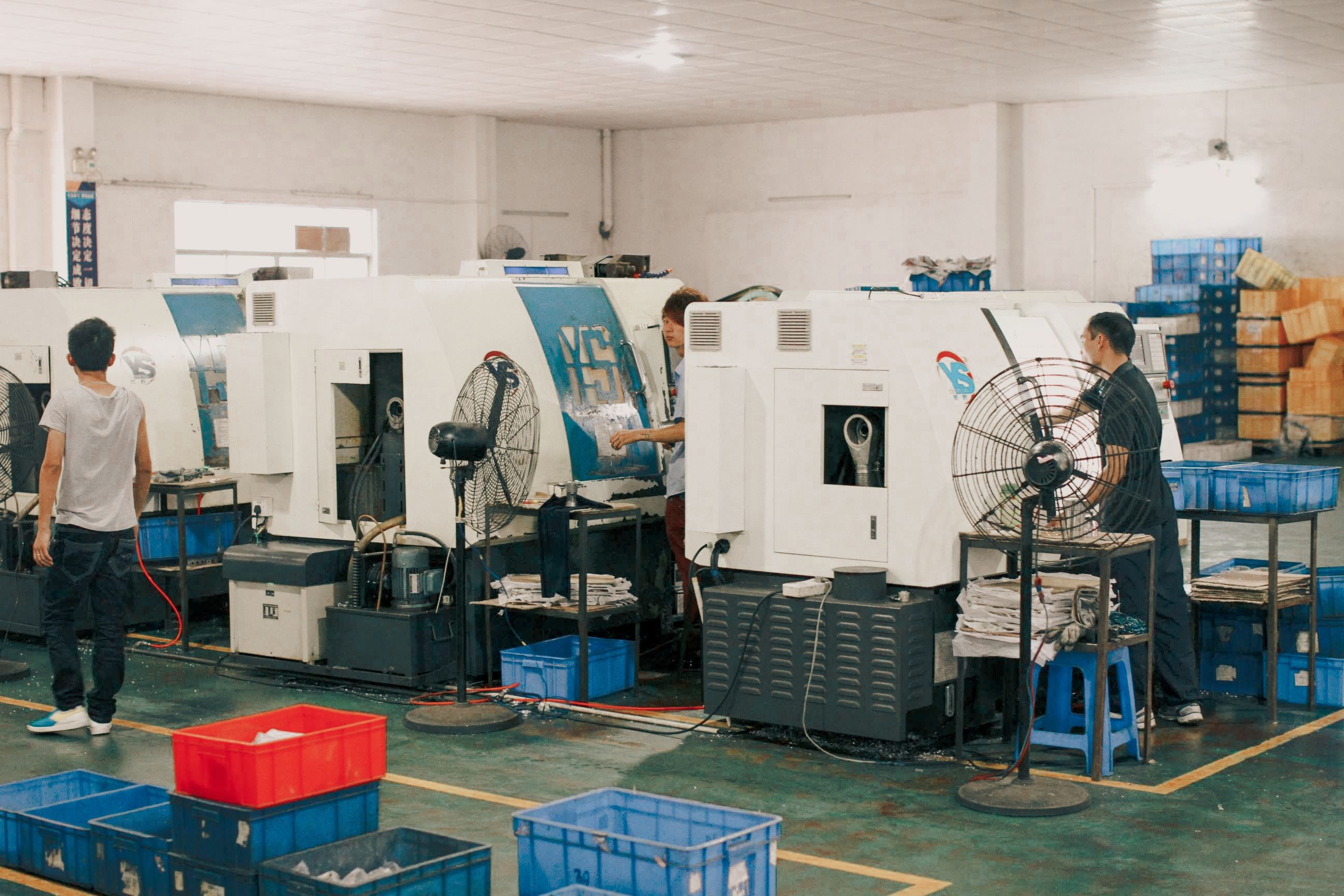
So ask who owns what. Does the manufacturer sinter its own ceramic cores or buy them in? How many engineers are on staff, and where did they come from? Is there a GMP-certified plant behind the brochure, and how many assembly lines actually run there? It is also reasonable to ask whether there is any onshore presence – a lab or warehouse in your country shortens sample cycles and gives you someone to call when a lot misbehaves. A Shenzhen-based manufacturer like ASM VAPE illustrates the profile worth looking for: an in-house engineering team focused on ceramic atomization, a GMP-certified factory with roughly two dozen assembly lines and a stated daily capacity around 100,000 units, and a California-based laboratory for faster sample testing and on-site support. The details that matter are not the logos – they are the answers to “whose furnace, whose engineers, whose lab.”
One more consideration most brands skip until it bites: redundancy. Qualify a second source while your first supplier is healthy, not when a component shortage or a price spike forces the issue. The cheapest insurance in hardware procurement is a relationship you don’t urgently need.
Match the format to your oil, not the trend
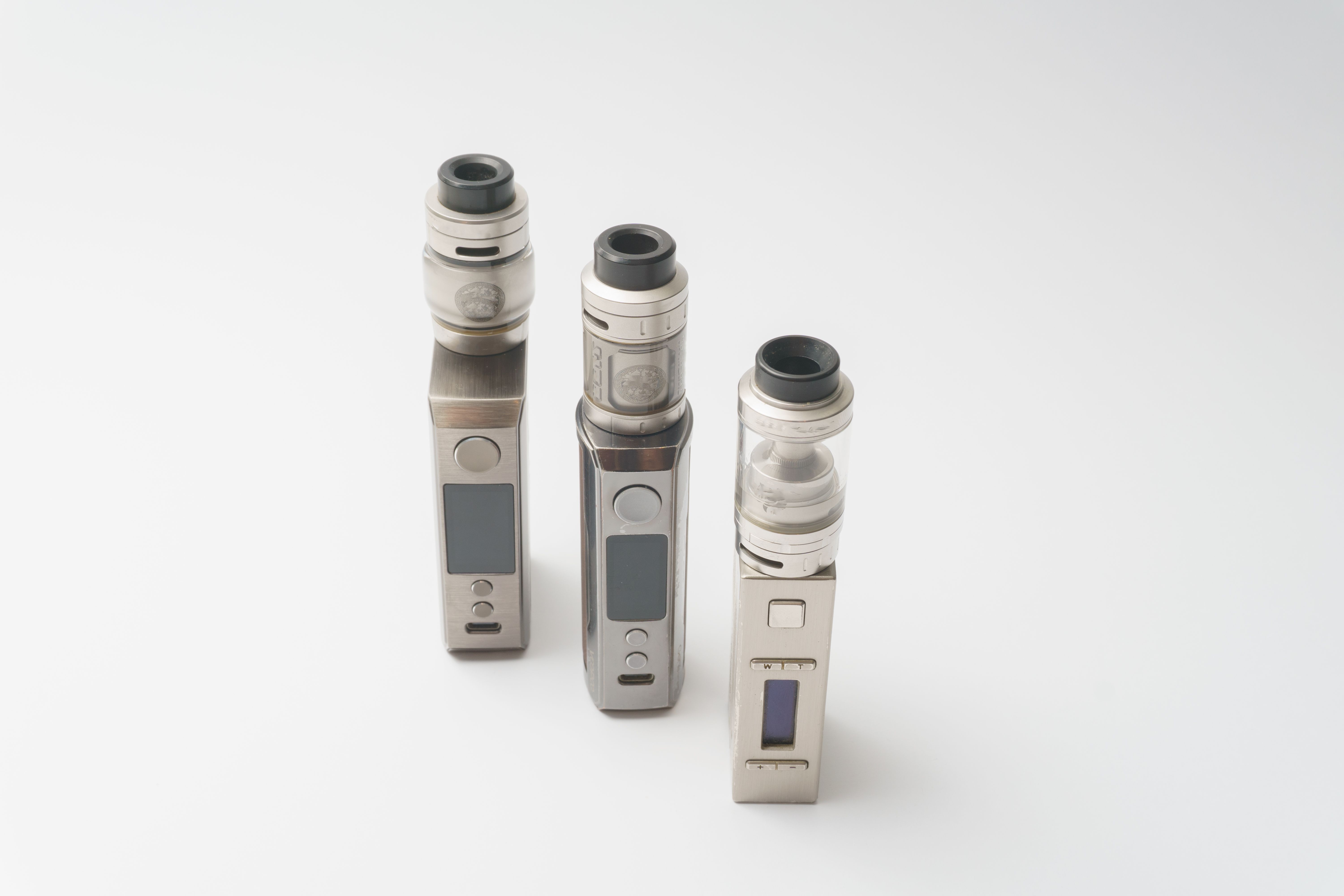
Format decisions carry real consequences. A 510 cartridge keeps you battery-agnostic and fills on standard equipment, which is why it still dominates distillate programs. An all-in-one disposable gives you a controlled, complete experience at the cost of an integrated battery you can’t service. And postless architecture – which removes the metal center post from the oil chamber – has moved from premium novelty toward expected standard, especially for live resin and rosin brands chasing cleaner flavor and fewer clogs.
Postless designs have a genuinely good story: less oil-to-metal contact, an unobstructed chamber, fewer places for thick oil to pool and clog. But architecture is not a verdict. A postless device shifts more engineering weight onto its seals and airflow routing, and if the manufacturing precision is not there, it leaks or clogs just like anything else. The same discipline applies to every design claim a supplier makes: “anti-clog airflow” and “low-voltage terpene preservation” are hypotheses until your oil proves them on your line.
So which would you rather have: a mid-tier all-in-one with an eye-catching design and a 3% return rate, or a plainer device from a manufacturer who can show you lot-level leak data under 1%? Most brands pick the first and then spend a year explaining away the difference. The format should follow your oil’s viscosity, your price point, and your filling line – in that order – and the manufacturer’s validation evidence should settle whatever the spec sheet leaves open.
Put the diligence in the contract
Everything above is negotiation until it is written down. The strongest buyers treat quality terms as contract language, not conversation. Your purchase order should name the sampling standard (ANSI/ASQ Z1.4, with the inspection level and defect classes defined), the per-lot tests you expect (heavy-metals ICP-MS on all oil-contact components, vacuum and thermal-cycle leak testing, coil-resistance verification against a stated tolerance), and what happens when a lot fails: rejection, rework at the supplier’s cost, or credit.
Two clauses are worth stealing from the better B2B playbooks. First, lot-level traceability: every shipment should carry a QC packet with certificates tied to specific lot numbers, plus retained samples held against future disputes or regulator inquiries – not a generic annual certificate. Second, an epidemic-failure provision: if the documented field failure rate on a lot crosses an agreed threshold, the supplier replaces the unsold units and credits documented consumer complaints. A supplier confident in its process will sign both without blinking. One that won’t is telling you something about its confidence.
The paperwork to demand before you sign
Before any purchase order moves, you should be able to put your hands on: an oil-compatibility report from testing with your actual formulation; heavy-metals documentation on the assembled device, tested filled and aged; the SKU-specific child-resistant certification; a stated AQL standard with real defect history from the last six to twelve months; MOQ and lead-time tiers in writing for stock, branded, and fully custom programs; and samples from at least two production lots, not just the hand-picked first batch. Any supplier that can produce that set is in the top tier of the market. Verify the top two claims independently – talk to two or three of their current brand customers, because references are the one document a manufacturer cannot forge.
None of this is about buying the most expensive hardware on offer. It is about refusing to treat the most failure-prone, compliance-sensitive part of your product as a commodity line item. The brands that win on vape are rarely the ones with the cleverest packaging or the lowest unit cost. They are the ones whose hardware quietly works – draw after draw, lot after lot, in the state lab and in the customer’s pocket – while competitors spend their margins explaining away complaints. A manufacturer with real process control is how you get there.
How this article was put together
I researched this in September 2026, working from current state and industry sources. The Missouri recall is documented in the Missouri Independent’s June 12, 2026 reporting and the state’s own recall notice; the metal-contamination findings come from the peer-reviewed Scientific Reports paper published August 2025. Return-rate and cost benchmarks are drawn from Finished Goods’ published 2026 guides, which aggregate brand data but are not independently audited – treat them as directional. Market sizing is attributed to Fortune Business Insights. ASM VAPE’s facility details are as stated on its own site. Failure-rate benchmarks and state testing rules change, so recheck figures before quoting them in procurement documents.