
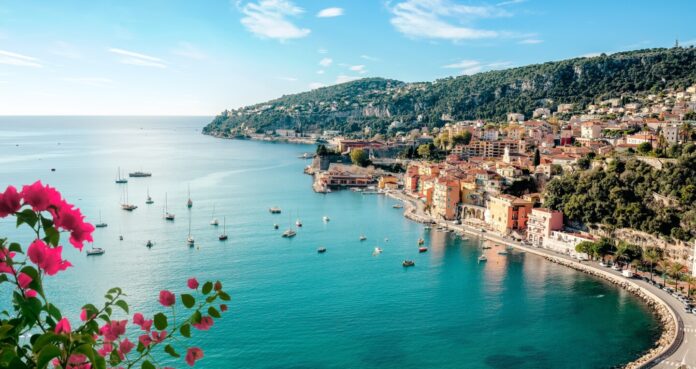
Did you know the French Riviera enjoys over 300 days of sunshine a year, yet less than half of its coastline is sandy?
That small detail surprises many first time visitors who imagine endless soft beaches stretching between glamorous towns.
In reality, the Riviera is a patchwork of pebble coves, elegant promenades, hidden calanques, and towns that feel wildly different despite being just minutes apart.
Planning well matters here more than in most coastal regions.
This guide is built for travelers who want clarity, balance, and realistic expectations, not glossy postcard promises.
We will walk through towns, beaches, and practical choices so your Riviera experience feels intentional, relaxed, and genuinely enjoyable.
Understanding the Riviera layout before choosing where to go
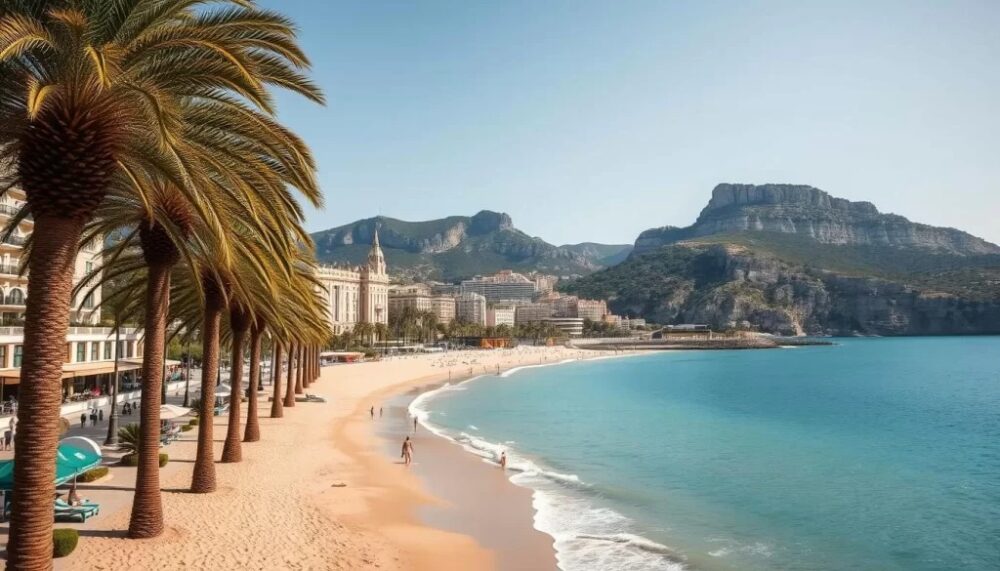
The Riviera is compact, but it never feels simple. Towns are layered vertically, beaches shift from sand to stone within a few kilometers, and transport choices shape the whole experience.
Before diving into specific destinations, it helps to understand how the coast is organized and why travelers often underestimate distances.
- The western Riviera around Cannes and Antibes feels flatter, with longer beaches and easier access.
- The central stretch around Nice balances city life with quick escapes to quieter coves.
- The eastern Riviera near Monaco becomes steeper, more dramatic, and more intimate.
Many travelers move too fast here. Slowing down and choosing fewer bases almost always leads to a better experience.
Did you know?
Most Riviera towns were originally fishing villages or farming communities before tourism reshaped them in the late 19th century.
This historical layering explains why luxury hotels sit next to modest local cafés, and why planning your route matters more than ticking boxes.
Saint Tropez and nearby beaches that define Riviera glamour
Saint Tropez remains one of the most talked about Riviera towns, but its appeal goes far beyond celebrity sightings. The old port still feels intimate in the early morning, and nearby beaches offer surprising variety.
A key part of the Saint Tropez experience is how you move around. Road access can be slow during peak season, which is why many travelers explore the coastline by sea.
Booking a St Tropez yacht charter allows you to reach beaches like Pampelonne, Cap Taillat, and Cap Lardier without traffic or parking stress, while seeing the coast from its most flattering angle.
Popular beach zones around Saint Tropez include:
- Pampelonne Beach, known for beach clubs and long sandy stretches.
- Plage des Salins, calmer and more local in feel.
- Cap Taillat, wild and undeveloped, ideal for swimming.
Saint Tropez works best when balanced with quieter beaches nearby, not rushed as a quick stop.
Antibes and Juan les Pins for balance between town and beach
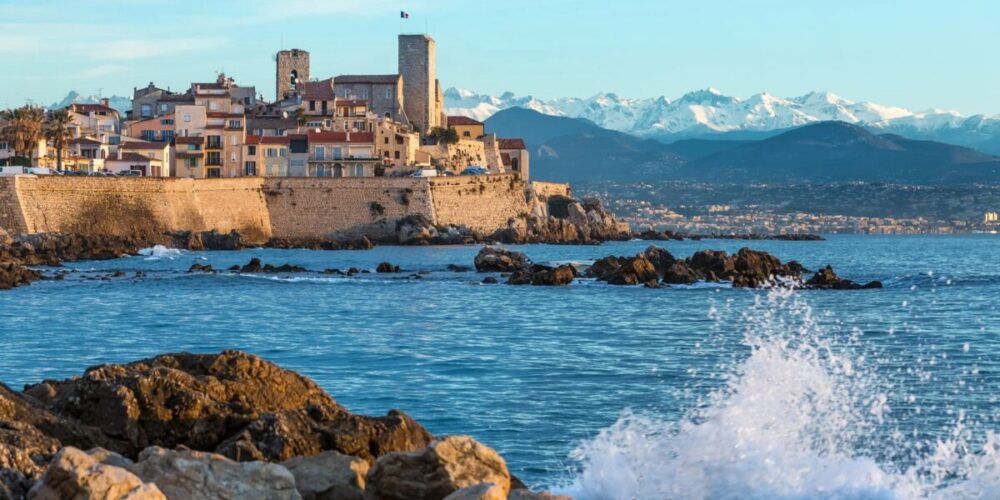
Antibes often surprises travelers who expect something quieter or purely historical. Instead, it offers one of the best blends of old town charm and accessible beaches on the Riviera.
The historic center sits on ramparts overlooking the sea, while sandy beaches stretch toward Juan les Pins. This area is ideal if you want to walk everywhere without sacrificing swimming options.
What makes Antibes practical:
- Sandy beaches suitable for long swims.
- A lively but manageable old town.
- Easy train connections to Nice and Cannes.
Juan les Pins leans more youthful and energetic, especially in summer, with beach bars and music events.
Important fact:
Antibes has some of the safest swimming beaches on the Riviera due to gradual water depth and protected bays.
For travelers who want variety without constant relocation, this area offers one of the most balanced bases.
Nice as a central base with diverse beach access
Nice is often misunderstood. Some dismiss it as too busy, others stay too long without exploring beyond the promenade.
Its pebble beaches are not for everyone, but they are clean, well maintained, and easy to access. The real advantage of Nice lies in its position.
From Nice, you can reach Villefranche-sur-Mer, Beaulieu-sur-Mer, and even Monaco within minutes by train or bus.
Key reasons travelers choose Nice:
- Excellent transport connections.
- Wide range of accommodations.
- Access to multiple beach styles within short distances.
Did you know?
Nice’s famous Promenade des Anglais was originally funded by British winter visitors in the 19th century.
If you treat Nice as a hub rather than a destination-only city, it becomes one of the most practical Riviera choices.
Villefranche-sur-Mer and Beaulieu-sur-Mer for calm waters
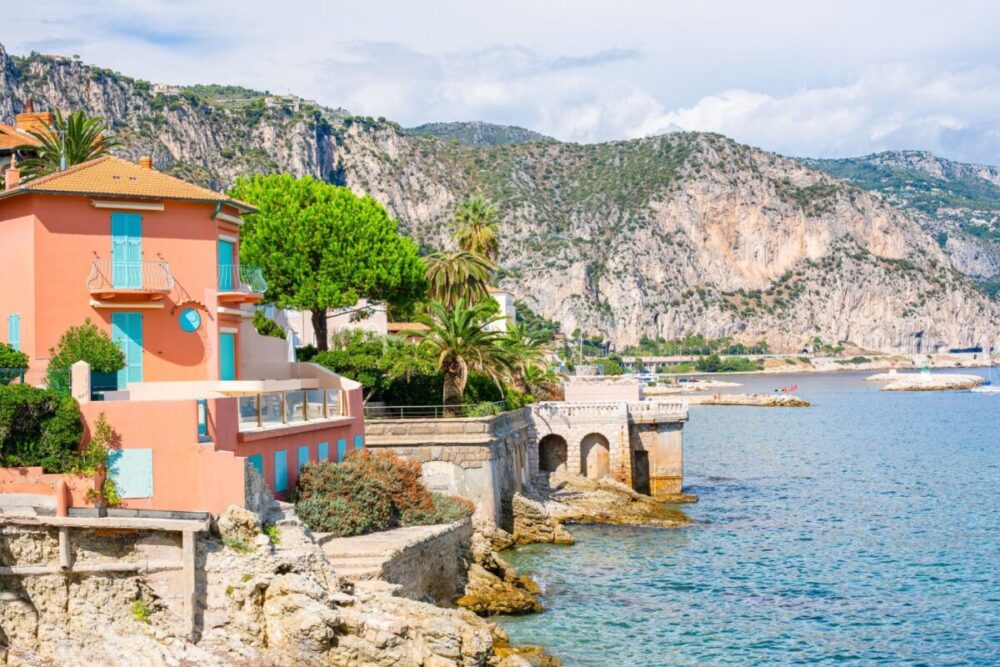
Just east of Nice, the coastline softens into sheltered bays that feel calmer and more intimate.
Villefranche-sur-Mer offers one of the deepest natural harbors in the Mediterranean, which translates into calmer waters and excellent swimming conditions. The town itself cascades down toward the sea in warm pastel tones.
Beaulieu-sur-Mer feels more refined and residential, with palm-lined promenades and gentle sandy beaches.
Why travelers love this stretch:
- Warmer water temperatures due to sheltered bays.
- Less wind compared to open coastlines.
- Short travel time from Nice.
These towns are ideal for travelers who prioritize swimming and scenic relaxation over nightlife.
Monaco and Cap d’Ail for dramatic scenery and compact beaches
Monaco is small, intense, and visually striking. Its beaches are limited but well maintained, often attached to beach clubs or tucked into small coves.
Cap d’Ail, just outside Monaco, feels more natural and less polished, with narrow paths leading to dramatic swimming spots beneath cliffs.
| Area | Beach type | Best for |
| Monaco | Small, managed beaches | Convenience and amenities |
| Cap d’Ail | Hidden coves and pebble beaches | Scenic swimming and quiet |
Monaco works best as a short stay or day trip. Cap d’Ail offers a more grounded experience for travelers who prefer nature over formality.
Cannes beyond the film festival image
Cannes is often reduced to red carpets and luxury shopping, but it offers more than many expect.
Its long sandy beaches are among the easiest on the Riviera, especially for families. The Suquet old town adds history and elevated views that contrast with the modern beachfront.
Cannes also serves as a gateway to the Lérins Islands, where swimming, hiking, and history blend beautifully.
Interesting fact:
The Lérins Islands have been inhabited by monks since the 5th century, and wine is still produced there today.
If you strip away the festival hype, Cannes becomes a very practical beach town with excellent transport and dining options.
Choosing beaches based on how you actually travel

The Riviera rewards honesty. Choosing beaches that match your pace matters more than chasing famous names.
Ask yourself a few practical questions:
- Do you prefer sand or are pebbles acceptable?
- Will you rely on trains, boats, or a car?
- Are you swimming daily or occasionally?
Travelers who prioritize swimming often prefer sheltered bays east of Nice. Those who enjoy long beach days gravitate toward Cannes or Antibes. Boat-based exploration opens entirely different options, especially around Saint Tropez.
Practical note:
Many Riviera beaches require water shoes due to pebbles, even in upscale areas.
Matching expectations to reality is the secret to enjoying this coastline.
A grounded approach to Riviera travel that actually works
The Riviera is not about doing everything. It rewards selectivity, patience, and a willingness to adjust plans.
Base yourself in one or two towns. Explore nearby beaches slowly. Mix famous spots with lesser known ones.
Accept that not every beach will be sandy and that some of the most beautiful swims require a short walk or boat ride.
When planned with intention, the Riviera offers an experience that feels layered rather than rushed.
You notice morning light on old harbors, calm water in sheltered bays, and the rhythm of towns that have balanced local life with global attention for over a century.
Approach it practically, stay flexible, and the Riviera will feel less like a destination to conquer and more like a coastline to settle into, even if only for a short while.